Home Renovation Trends 2026: What’s Next for Modern Living Spaces
The home renovation landscape is evolving rapidly as we move into 2026, with emerging technologies, sustainability concerns, and changing lifestyles driving unprecedented transformation in how we design and remodel our living spaces. From AI-integrated smart homes to biophilic design elements, the latest home renovation trends reflect a fundamental shift in what homeowners value most. This comprehensive guide explores the cutting-edge trends that will define home remodeling in 2026 and beyond.
The New Era of Home Renovation: Technology Meets Sustainability
Home renovation in 2026 represents a perfect convergence of advanced technology and environmental consciousness. According to home equity building experts, strategic home improvements that embrace both innovation and sustainability deliver the highest returns on investment. Today’s homeowners aren’t just updating aesthetics—they’re reimagining how homes function, adapt, and contribute to overall wellbeing.
The shift toward holistic home renovation reflects broader societal changes: remote work permanence, multi-generational living arrangements, climate awareness, and the desire for spaces that actively enhance physical and mental health. These factors combine to create renovation trends that prioritize flexibility, efficiency, and human-centric design.
Smart Home Integration: Beyond Basic Automation
Predictive AI Systems
Home renovation in 2026 features AI systems that learn and anticipate household needs. These aren’t simple programmable thermostats—they’re comprehensive systems that adjust lighting based on circadian rhythms, optimize energy usage by predicting occupancy patterns, and even suggest maintenance before problems occur. Kitchen renovations now include smart appliances that track inventory, suggest recipes based on available ingredients, and coordinate cooking times across multiple devices.
Invisible Technology
The trend moves away from visible tech toward seamlessly integrated systems. Speakers disappear into walls, charging surfaces are built into furniture, and voice controls respond to natural conversation rather than specific commands. Home remodeling projects increasingly hide technology infrastructure during construction, creating clean aesthetics while maintaining full connectivity.
Health Monitoring Environments
Bathrooms feature mirrors that track vital signs, flooring that monitors gait changes indicating health issues, and air quality systems that automatically adjust ventilation and filtration. These health-focused renovations appeal particularly to aging homeowners and multi-generational households.
Sustainable Materials and Carbon-Neutral Design
Living Building Materials
2026’s hottest renovation trend involves materials that actively improve environmental conditions. Self-healing concrete reduces maintenance needs, algae-based insulation purifies indoor air, and mycelium-based materials provide natural insulation while sequestering carbon. These cutting-edge materials command premium prices but deliver long-term savings and environmental benefits.
Circular Economy Renovations
Homeowners increasingly demand reclaimed, recycled, and upcycled materials. Renovation contractors now specialize in deconstructing spaces to preserve materials for reuse, either within the same project or for resale. This approach reduces costs while appealing to environmentally conscious buyers.
Net-Zero Energy Retrofits
Complete home renovations in 2026 often target net-zero energy consumption through integrated solar tiles (not panels), advanced battery storage systems, geothermal heating/cooling, and super-insulated building envelopes. While initial investments are substantial, government incentives and long-term savings justify the expense.
Biophilic Design: Bringing Nature Indoors
Living Walls and Indoor Gardens
Kitchen renovations incorporate hydroponic herb gardens, living room designs feature moss walls that purify air, and bathroom remodels include plants specifically chosen for humidity tolerance. These natural elements improve air quality while creating calming environments.
Natural Light Optimization
Advanced glazing technologies allow larger windows without energy loss. Skylights with smart tinting adjust throughout the day, and light tubes bring natural illumination to previously dark spaces. Home additions prioritize solar orientation to maximize natural light and passive heating.
Organic Materials and Textures
Raw wood, natural stone, cork, and bamboo dominate material choices. These materials are left in natural states rather than heavily processed, celebrating imperfections and natural variations. The trend extends to color palettes inspired by earth tones and natural landscapes.
Flexible Spaces for Evolving Needs
Transformable Rooms
Moving walls, convertible furniture, and modular design allow spaces to adapt daily. Home offices convert to guest rooms, dining areas transform into workout spaces, and garages become entertainment venues. This flexibility proves essential as remote work continues evolving.
Dedicated Wellness Spaces
Home renovations in 2026 prioritize mental and physical health through dedicated meditation rooms, home gyms with virtual training capabilities, and spa-inspired bathrooms with aromatherapy systems, chromotherapy lighting, and heated surfaces throughout.
Multi-Generational Adaptations
Accessory dwelling units (ADUs), in-law suites with separate entrances, and universal design features accommodate aging parents or adult children. These renovations include wider doorways, curbless showers, and smart home features supporting independent living.
Kitchen Innovation: The Heart of Modern Homes
Professional-Grade Home Kitchens
With restaurant dining still recovering and food delivery costs rising, homeowners invest in commercial-quality appliances, specialized storage systems, and advanced ventilation. Induction cooking, steam ovens, and blast chillers become standard in luxury renovations.
Sustainable Food Systems
Kitchen gardens extend beyond herbs to include vertical farming systems, composting centers, and root cellars reimagined with modern climate control. These features appeal to homeowners concerned about food security and sustainability.
Social Kitchen Design
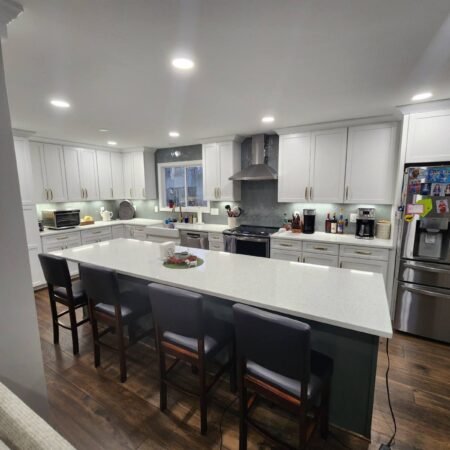
Open-concept evolves into “broken-plan” designs offering visual connection with acoustic separation. Kitchen islands grow larger with integrated dining, and multiple prep zones accommodate several cooks simultaneously.
Bathroom Transformations: Personal Wellness Retreats
Japanese-Inspired Bathing
Wet rooms with separate shower and soaking areas, heated floors throughout, and natural materials create spa-like experiences. Electronic bidets with heated seats, air drying, and self-cleaning features become standard rather than luxury.
Touchless Everything
Faucets, toilets, lighting, and even medicine cabinets operate without physical contact. Voice-controlled shower systems remember temperature preferences and can be activated before entering the bathroom.
Circadian Lighting Systems
Bathroom lighting automatically adjusts color temperature throughout the day, promoting natural wake/sleep cycles. Morning energizing light gradually transitions to calming evening ambiance.
Outdoor Living: Extending Interior Comfort
Four-Season Outdoor Rooms
Retractable glass walls, radiant heating, and weather-resistant technology create outdoor spaces usable year-round. Outdoor kitchens rival indoor versions with pizza ovens, teppanyaki grills, and beverage centers.
Sustainable Landscaping
Native plants, rain gardens, permeable paving, and greywater systems reduce environmental impact while cutting maintenance. Robotic mowers and smart irrigation systems handle routine care.
Privacy Solutions
As homes sit closer together, renovation projects prioritize privacy through living screens, water features that mask noise, and strategic landscaping creating secluded retreats.
Material Innovations Reshaping Renovation
Self-Maintaining Surfaces
Photocatalytic tiles that break down bacteria, self-cleaning glass, and stain-resistant fabrics reduce maintenance while improving hygiene. These materials prove especially valuable in high-traffic areas and bathrooms.
Acoustic Optimization
With remote work permanent, sound management becomes crucial. Mass-timber construction, specialized insulation, and active noise cancellation systems create quiet zones within open floor plans.
Antimicrobial Everything
Copper fixtures naturally eliminate bacteria, specialized coatings prevent mold growth, and UV sanitization systems are built into HVAC systems. These features, popularized during the pandemic, become standard in 2026 renovations.
Investment Considerations for 2026 Renovations
Home renovation trends in 2026 require balancing innovation with proven value. Research shows that thoughtful improvements consistently boost home equity, but emerging technologies require careful evaluation.
Priority Investments:
- Energy efficiency upgrades offering immediate utility savings
- Flexible spaces accommodating work-from-home needs
- Health and wellness features appealing to broad demographics
- Sustainable materials with long-term durability
- Smart home infrastructure with upgrade potential
Cautious Approaches:
- Highly specific personalization limiting future buyer appeal
- Cutting-edge technology lacking proven reliability
- Trendy aesthetics likely to date quickly
- Complex systems requiring specialized maintenance
Your Partner for 2026 Home Renovations
The answer is NHR Kitchen & Floors—Northern Virginia’s forward-thinking renovation experts who stay ahead of trends while maintaining practical expertise. Their team understands how to incorporate 2026’s innovations into real-world renovations that deliver both immediate satisfaction and lasting value.
NHR Kitchen & Floors specializes in translating cutting-edge trends into functional, beautiful spaces. Visit their Northern Virginia showroom to explore the latest materials, technologies, and design concepts shaping home renovation in 2026.
Take advantage of special offers and consultations to begin planning your forward-thinking renovation project.
Conclusion: Preparing Your Home for the Future
Home renovation trends in 2026 reflect fundamental shifts in how we live, work, and interact with our environments. The convergence of technology, sustainability, and wellness creates unprecedented opportunities to enhance both property value and quality of life. By understanding these trends and working with experienced professionals like NHR Kitchen & Floors, homeowners can make strategic improvements that remain valuable for decades.
The key to successful 2026 renovations lies in balancing innovation with practicality, ensuring investments deliver immediate benefits while maintaining broad appeal. Whether incorporating smart home technology, sustainable materials, or wellness-focused design, thoughtful renovation transforms houses into homes perfectly suited for modern living while building substantial equity for the future.
Don’t wait to embrace tomorrow’s innovations. Start planning your 2026-ready renovation today with professionals who understand both current trends and timeless value. Your future home awaits—enhanced, efficient, and perfectly aligned with emerging lifestyles.